
 العربية
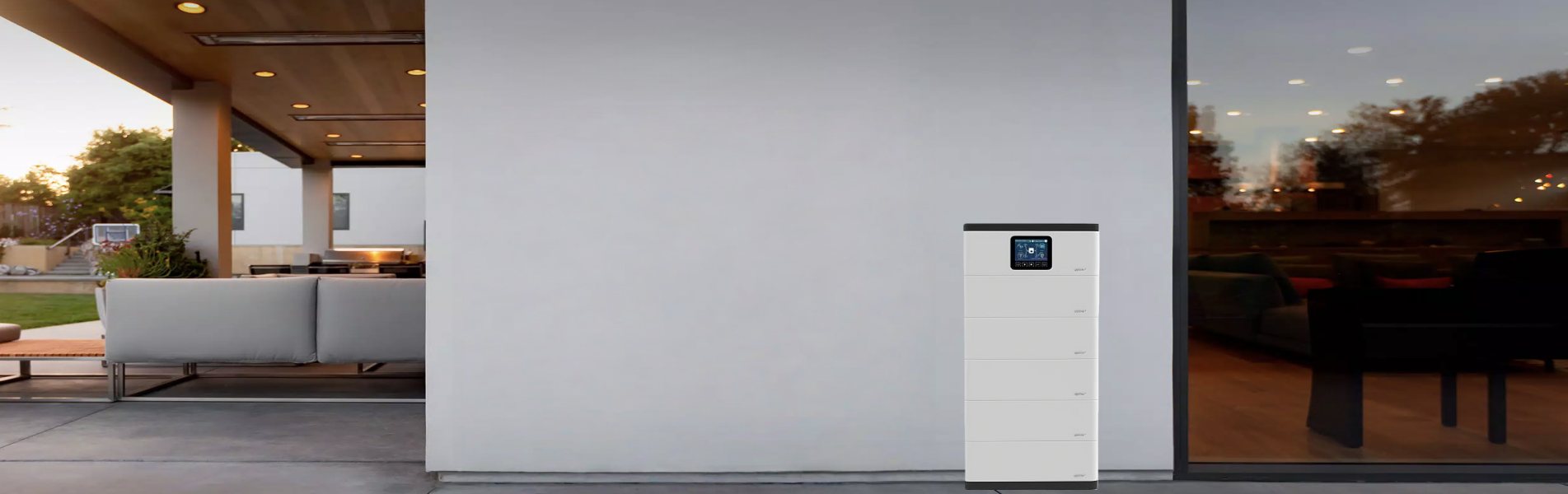
نحن نتعامل مع أنواع مختلفة من الخلايا والبطاريات وحلول أنظمة تخزين الطاقة.
للاستفسار عن منتجاتنا، يرجى ترك الأمر لنا وسنتواصل معكم في غضون 24 ساعة.



نحن نتعامل مع أنواع مختلفة من الخلايا والبطاريات وحلول أنظمة تخزين الطاقة.
للاستفسار عن منتجاتنا، يرجى ترك الأمر لنا وسنتواصل معكم في غضون 24 ساعة.
في بيئة التخزين والخدمات اللوجستية سريعة التطور اليوم، يؤثر وقت تشغيل الرافعات الشوكية بشكل مباشر على الإنتاجية والسلامة وتكاليف التشغيل. تُعدّ البطارية قلب الرافعة الشوكية الكهربائية، واختيار البطارية المناسبة قد يُحدث فرقًا كبيرًا بين عمليات سلسة على مدار ثلاث ورديات وتوقفات متكررة للشحن أو الصيانة.
بطاريات فوسفات الحديد الليثيوم الحديثة (LFP) أحدثت بطاريات الرصاص الحمضية ثورة في مجال الطاقة المستخدمة في الرافعات الشوكية، إذ توفر مزايا كبيرة مقارنةً ببطاريات الرصاص الحمضية التقليدية. يرشدك هذا الدليل إلى الاعتبارات الرئيسية ويسلط الضوء على خيارات بطاريات الرصاص الحمضية عالية الأداء المناسبة للاستخدام في المستودعات.
لماذا يُعد اختيار بطارية الرافعة الشوكية أمرًا مهمًا في المستودعات؟
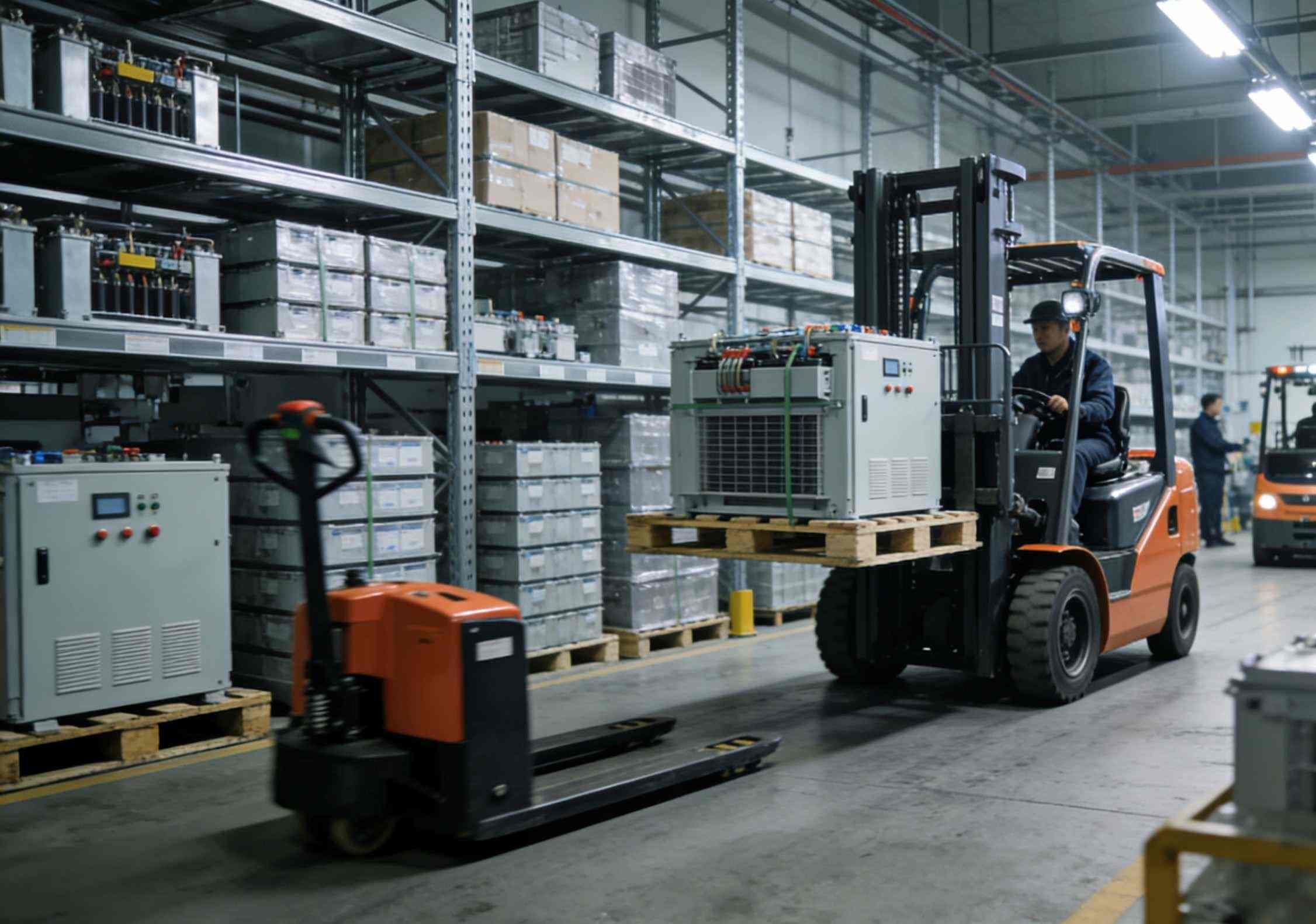
تتطلب المستودعات طاقة موثوقة من أجل:
• عمليات متعددة الورديات (غالباً من 16 إلى 24 ساعة في اليوم)
• التسارع المتكرر، ورفع القدم عن دواسة الوقود، والكبح المتجدد
• المساحات الضيقة التي تتطلب أداءً متسقًا
• التخزين البارد أو بيئات ذات درجات حرارة متغيرة
يؤدي اختيار البطارية غير المناسبة إلى انخفاض الإنتاجية، وارتفاع فواتير الطاقة، وزيادة الصيانة، ومخاطر السلامة. تتفوق بطاريات الليثيوم فوسفات الحديد (LFP) في هذا الجانب بفضل كثافة طاقتها العالية، وسرعة شحنها، وعمرها التشغيلي الطويل.
مقارنة بين بطاريات الرصاص الحمضية وبطاريات الليثيوم LFP المستخدمة في رافعات الشوكة
ميزة | حمض الرصاص التقليدي | بطاريات الليثيوم LFP (مثل سلسلة LMDD) |
دورة الحياة | 500-1500 دورة | 3000–6000+ دورة |
وقت الشحن | 8-12 ساعة + فترة تهدئة | من ساعة إلى ثلاث ساعات (شحن الفرصة) |
صيانة | الري المنتظم، ومعادلة التربة | لا يحتاج إلى صيانة |
كفاءة | 70-80% | 95%+ |
وزن | أثقل | أخف وزناً (كفاءة أفضل للمركبة) |
استقرار الجهد | يسقط تحت الحمل | خرج طاقة ثابت |
أمان | انسكاب الأحماض، غاز الهيدروجين | نظام إدارة المباني المدمج، والاستقرار الحراري |
تتميز كيمياء فوسفات الحديد الليثيوم (LFP) بأنها آمنة بشكل خاص - فهي تقاوم الهروب الحراري بشكل أفضل من أنواع الليثيوم الأخرى وتؤدي أداءً جيدًا في ظروف المستودعات.
1. الجهد والسعة (أمبير/ساعة)
اختر البطارية المناسبة لمتطلبات رافعتك الشوكية. الفولتيات الشائعة هي 24 فولت، 36 فولت، 48 فولت، 80 فولت، إلخ. السعة الأعلى (أمبير/ساعة) تعني وقت تشغيل أطول بين عمليات الشحن.
أمثلة من عروض LFP الحالية:
• LMDD76.8V210Ah-24S — بطارية صغيرة الحجم، مناسبة للرافعات الشوكية الأصغر حجمًا أو ذات الأحمال الخفيفة.
• LMDD76.8V560Ah / 660Ah-24S — خيارات ذات سعة عالية للاستخدام المكثف والمستمر في المستودعات.
• LMDD80V280Ah / 330Ah / 410Ah-25S — سلسلة جهد أعلى للرافعات الشوكية الأكبر والأكثر قوة التي تحتاج إلى عزم دوران قوي وقدرة رفع عالية.
2. معدلات التفريغ والشحن
ابحث عن بطاريات تدعم التفريغ المستمر العالي (مثل 400 أمبير تصنيفي، 450 أمبير ذروة) والشحن السريع. تُظهر معظم المواصفات قدرة عالية على تحمل التيار مناسبة لدورات التخزين الشاقة.
3. ميزات نظام إدارة البطارية (BMS)
تُعد الحماية المتقدمة لأنظمة إدارة المباني (BMS) ضرورية:
• حماية من الجهد الزائد، والجهد المنخفض، والتيار الزائد، ودرجة الحرارة
• مراقبة العزل
• مستويات الأعطال (المستوى الأول/الثاني/الثالث) مع تحكم تلقائي في المرحل • اتصال CAN للتكامل مع وحدات تحكم المركبات
تتضمن جميع طرازات سلسلة LMDD التي تمت مراجعتها جداول حماية شاملة مع عتبات واضحة لحالة الشحن، وجهد الخلية، وعدم توازن درجة الحرارة، ومقاومة العزل.
4. الإدارة الحرارية والقدرة على التكيف مع البيئة
تختلف درجات حرارة المستودعات. تتحمل عبوات LFP الجيدة نطاقات درجات حرارة من -20 درجة مئوية إلى 60 درجة مئوية مع إمكانية فصل التيار عند درجات الحرارة المنخفضة/العالية وخيار التسخين.
5. دورة الحياة والتكلفة الإجمالية للملكية (TCO)
غالباً ما تسدد بطاريات الليثيوم تكلفتها في غضون سنتين إلى ثلاث سنوات من خلال تقليل وقت التوقف عن العمل، وانخفاض استهلاك الطاقة، والحد الأدنى من الصيانة.
6. الملاءمة البدنية والاندماج
تأكد من الأبعاد والوزن وتوافق الموصلات. توفر التصاميم المعيارية (مع وحدات BIU وST) مرونةً عالية.
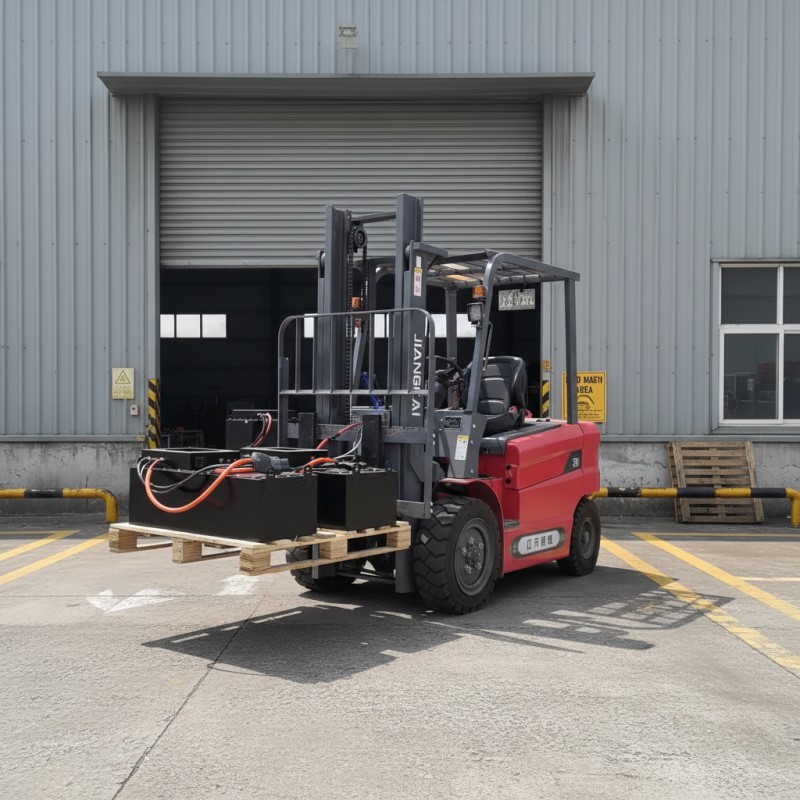
سلسلة 76.8 فولت (تكوين 24S)
• مثالية للعديد من الرافعات الشوكية ذات الثلاث عجلات والأربع عجلات.
• سعات من 210 أمبير/ساعة (للاستخدامات الخفيفة) إلى 660 أمبير/ساعة (لعمليات المستودعات الثقيلة).
• دعم قوي لبروتوكول CAN للتواصل بين المركبة والشاحن.
سلسلة 80 فولت (تكوين 25S)
• مناسب للتطبيقات ذات الطاقة العالية.
• الموديلات: 280 أمبير/ساعة، 330 أمبير/ساعة، و410 أمبير/ساعة.
• مثالية للشاحنات ذات الذراع الطويلة أو عمليات الرفع العالي.
تستخدم جميع الطرازات خلايا LFP الممتازة (مثل L300F210A أو L173F280A أو IFP58200225-330Ah) وتتوافق مع معايير السلامة GB/T 36972-2018.
أفضل الممارسات لتنفيذ المستودعات
• الشحن الفوري: تعمل بطاريات الليثيوم بكفاءة عالية عند شحنها لفترات قصيرة أثناء فترات الراحة - لا حاجة بعد الآن لتبديل البطاريات.
• مراقبة الأسطول: استخدم بيانات نظام إدارة المباني عبر ناقل CAN للصيانة التنبؤية.
• التخزين البارداختر الموديلات المزودة بوظائف التسخين إذا كانت درجة الحرارة أقل من 0 درجة مئوية.
• التدريب على السلامة: التأكيد على إجراءات الشحن الصحيحة والاستجابة للأعطال.
• حساب المقاساتتقدير استهلاك الطاقة اليومي (كيلوواط ساعة) بناءً على دورات الرفع، ومسافة السير، ووزن الحمولة. أضف هامش أمان بنسبة 20-30% لمراعاة التقادم وذروة الطلب.
يُحسّن اختيار بطارية الرافعة الشوكية المناسبة، ولا سيما طراز LFP عالي المواصفات مثل سلسلة LMDD، كفاءة المستودع بشكل ملحوظ، ويُقلل تكاليف التشغيل، ويعزز السلامة. سواء كنت بحاجة إلى بطارية صغيرة بسعة 210 أمبير/ساعة أو بطارية قوية بسعة 660 أمبير/ساعة، فإنّ مطابقة الجهد والسعة والميزات مع عملياتك الخاصة أمرٌ أساسي.
هل أنت مستعد لتحديث أسطولك؟ قم بتقييم طرازات الرافعات الشوكية ودورات التشغيل والبنية التحتية للشحن، ثم استشر الموردين الذين يقدمون أوراق المواصفات التفصيلية وخيارات التخصيص.
ما هو أكبر تحدٍّ يواجهك فيما يتعلق ببطاريات الرافعات الشوكية في المستودع؟ اتصل بنا للحصول على توصية شخصية.
التعليمات
س1: ما الفرق بين بطاريات الرافعات الشوكية ذات جهد 76.8 فولت و80 فولت؟
ج: تُستخدم سلسلة 76.8 فولت (تكوين 24S) عادةً للرافعات الشوكية القياسية إلى متوسطة الخدمة، بينما تم تصميم سلسلة 80 فولت (تكوين 25S) لتطبيقات الطاقة العالية التي تتطلب عزم دوران وقدرة رفع أقوى، مثل شاحنات الوصول الكبيرة وعمليات الرفع العالي.
س2: هل بطاريات الليثيوم LFP هذه أفضل من بطاريات الرصاص الحمضية التقليدية؟
ج: نعم. توفر بطاريات فوسفات الحديد الليثيوم (LFP) عمرًا أطول من 3 إلى 6 مرات، وشحنًا أسرع من 3 إلى 4 مرات، وتشغيلًا شبه خالٍ من الصيانة، وكفاءة طاقة أعلى (أكثر من 95%)، وأمانًا أفضل بفضل نظام إدارة البطارية (BMS) المدمج. كما أنها تدعم الشحن أثناء فترات التوقف، مما يجعلها مثالية لعمليات المستودعات متعددة الورديات.
س3: ما هي السعة التي يجب أن أختارها لرافعة المستودع الخاصة بي؟
ج: يعتمد ذلك على ساعات العمل اليومية وحجم العمل.
210 أمبير/ساعة - 330 أمبير/ساعة: مناسبة للعمليات الخفيفة إلى المتوسطة أو عمليات الوردية الواحدة.
410Ah–660Ah: يوصى بها للاستخدام الشاق في المستودعات متعددة الورديات (16-24 ساعة).
س4: ما هي سرعة شحن بطاريات الليثيوم الخاصة بالرافعات الشوكية؟
ج: تدعم معظم الطرازات الشحن السريع خلال ساعة إلى ثلاث ساعات. وهي مصممة للشحن السريع أثناء فترات الراحة، مما يقلل بشكل كبير من وقت التوقف مقارنةً بـ 8 إلى 12 ساعة التي تتطلبها بطاريات الرصاص الحمضية.
س5: ما هي وسائل الحماية التي تتمتع بها هذه البطاريات؟
ج: تتميز جميع بطاريات سلسلة LMDD بنظام إدارة بطارية متطور مع حماية متعددة المستويات (المستوى 1-3) بما في ذلك:
• زيادة/انخفاض الجهد، زيادة التيار، زيادة/انخفاض درجة الحرارة
• مراقبة العزل
• الكشف عن اختلال توازن جهد الخلية
• التحكم المرحلي للحماية من الشحن/التفريغ
س6: هل يمكن استخدام هذه البطاريات في مستودعات التخزين البارد؟
ج: نعم. تدعم هذه الأجهزة التفريغ حتى درجة حرارة -20 درجة مئوية، وتتضمن حماية من درجات الحرارة المنخفضة. كما توفر بعض الطرازات وظائف تسخين لتحقيق الأداء الأمثل في البيئات الباردة (أقل من 0 درجة مئوية).
س7: ما هو العمر الافتراضي المتوقع لبطاريات رافعات الشوكة LFP هذه؟
ج: مع الاستخدام السليم، توفر بطاريات LFP عادةً 3000-6000+ دورة، وغالبًا ما تدوم من 8 إلى 12 عامًا في تطبيقات المستودعات - وهو ما يتجاوز بكثير بطاريات الرصاص الحمضية.
س8: هل تتوافق هذه البطاريات مع معايير السلامة؟
ج: نعم. لقد تم تصميمها وفقًا للمعيار GB/T 36972-2018 (المعيار الوطني الصيني لسلامة حزم البطاريات) وتستخدم خلايا LFP عالية الجودة.
س9: كيف أختار بين نماذج LMDD المختلفة؟
ج: قم بمطابقة الجهد الكهربائي والسعة مع مواصفات الرافعة الشوكية الخاصة بك. راجع دليل الرافعة الشوكية أو تواصل معنا مع ذكر طراز الرافعة الشوكية ودورة التشغيل اليومية للحصول على توصية دقيقة.
س10: هل هذه البطاريات لا تحتاج إلى صيانة؟
ج: نعم. على عكس بطاريات الرصاص الحمضية، فإن بطاريات الليثيوم LFP لا تتطلب إضافة الماء، ولا فحص الحمض، ولا عمليات شحن معادلة منتظمة.

ترك رسالة
مسح ضوئي إلى WeChat :

Hi! Click one of our members below to chat on